 603.485.4205
 24/7 Emergency Service Request

Why a Pre-Winter Heating Tune-Up Matters for New Hampshire Homes
New Hampshire winters do not give homeowners much room for error. When the temperature drops, your heating system has to do more than keep the house comfortable. It also helps protect your plumbing, your indoor air, your fuel budget, and your home itself.
That is why a pre-winter heating tune-up is one of the most valuable steps a homeowner can take before the cold settles in.
Whether your home uses an oil boiler, gas furnace, propane system, hydronic baseboard heat, or another central heating setup, annual maintenance helps catch small problems before they become expensive winter emergencies.
New Hampshire Heating Systems Work Hard
Many New Hampshire homes rely on delivered fuels like heating oil or propane. These systems can be dependable, but they need proper service to run safely and efficiently.
When a heating system gets dirty, loses calibration, or develops worn parts, it usually does not fail all at once. Instead, it works harder. It burns more fuel. It runs longer. It may heat unevenly. In some cases, it can also create safety concerns.
A professional heating tune-up helps your system start the season clean, tested, and ready for heavy use.
Oil Heat Needs Regular Cleaning
Oil-fired heating systems are common in New Hampshire, and they require more maintenance than many gas systems.
That is because heating oil naturally creates soot during combustion. Even a thin layer of soot on a heat exchanger can make it harder for heat to transfer into your home. When that happens, your system has to burn more fuel to produce the same comfort.

During a heating tune-up, a technician may inspect and service key oil system components such as:
- Burner assembly
- Oil nozzle
- Oil filter
- Pump strainer
- Combustion chamber
- Heat exchanger
- Chimney or venting path
- Safety controls
This type of service helps the system burn cleaner, run more efficiently, and reduce the chance of a no-heat call during a cold snap.
Boiler Maintenance Protects More Than Comfort
Many New Hampshire homes use boilers with baseboard heat, radiators, or radiant floor systems. Boiler maintenance is not just about the burner. It also involves the plumbing side of the system.
A boiler tune-up may include checking:
- System water pressure
- Expansion tank operation
- Pressure relief valve condition
- Low-water cutoff function
- Zone valves or circulators
- Air in the heating loop
- Condensate drains on high-efficiency systems
These checks matter because hydronic systems depend on proper water movement and pressure. Low pressure can point to leaks or circulation problems. High pressure can cause relief valve discharge. Air in the system can lead to cold rooms, banging noises, or uneven heat.
A properly maintained boiler heats more evenly and puts less stress on the system.
Furnace Tune-Ups Help Airflow and Safety
If your home uses a furnace, the system heats air and moves it through ductwork. That means airflow is just as important as combustion.
A furnace tune-up may include:
- Inspecting the heat exchanger
- Cleaning burners
- Checking flame quality
- Testing safety switches
- Measuring blower motor performance
- Inspecting electrical connections
- Replacing or checking the air filter
- Confirming proper venting
A dirty blower, weak capacitor, clogged filter, or cracked heat exchanger can affect performance and safety. A tune-up helps identify these issues before the system is under full winter demand.
Carbon Monoxide Is a Serious Winter Safety Concern
Any fuel-burning heating system can produce carbon monoxide if combustion is incomplete or venting is not working properly. Carbon monoxide has no smell, no color, and no taste, which makes it especially dangerous.
Possible causes include:
- Dirty burners
- Improper air-to-fuel mixture
- Blocked or damaged venting
- Cracked heat exchanger
- Poor draft
- Failing safety controls
Carbon monoxide alarms are important, but they should not be the only line of defense. A professional heating tune-up includes safety checks that help identify combustion or venting problems at the source.
Homeowners should also make sure carbon monoxide alarms are installed on every level of the home and near sleeping areas. If a carbon monoxide alarm sounds, leave the home immediately and call emergency services.
A Heating Failure Can Lead to Frozen Pipes
In New Hampshire, a heating problem can quickly become a plumbing problem.
When indoor temperatures fall too low, pipes in basements, crawlspaces, exterior walls, garages, or poorly insulated areas can freeze. When water freezes, it expands. The pressure buildup inside the pipe can cause the pipe to split.
The worst part is that the major water damage often happens later, when the ice melts and water starts flowing through the break.
A heating tune-up helps reduce the risk of losing heat during extreme cold. That can help protect vulnerable plumbing and prevent expensive water damage.
Watch for These Warning Signs Before Winter

Schedule service before the season gets busy if you notice any of these issues:
- The system takes longer than usual to heat the home
- Some rooms stay colder than others
- The boiler or furnace makes banging, rumbling, or grinding noises
- You smell fuel, exhaust, or unusual odors
- The system short cycles
- The thermostat setting does not match the comfort level
- Your fuel usage has increased
- The pilot or burner flame looks yellow or unstable
- You see water near the boiler
- Pressure readings look higher or lower than normal
- Carbon monoxide alarms have sounded
Do not wait for a full breakdown. Winter no-heat calls are stressful, and emergency repairs often happen when parts, scheduling, and weather are least convenient.
Small Maintenance Can Help Control Fuel Costs
Heating fuel is a major winter expense for New Hampshire homeowners. A dirty or poorly adjusted system can waste fuel throughout the season.
A tune-up can help improve efficiency by:
- Cleaning heat transfer surfaces
- Improving combustion
- Replacing clogged filters or nozzles
- Testing motors and electrical components
- Confirming proper airflow or water flow
- Checking venting and draft
- Finding small problems early
Even modest efficiency improvements can make a noticeable difference over a full New Hampshire winter.
Maintenance Also Helps Protect Equipment Life
Heating systems are major investments. Annual maintenance helps reduce stress on expensive components like heat exchangers, circulator pumps, blower motors, ignition systems, controls, and combustion parts.
A system that runs cleanly and safely usually works less to do the same job. That can help extend equipment life and delay replacement.
Regular service records may also matter for warranty coverage. Many manufacturers expect homeowners to maintain equipment properly and may request service history if a covered part fails.
What Homeowners Can Do Before the Appointment

Before your tune-up, you can help make the visit more productive by taking a few simple steps:
- Clear space around the furnace or boiler
- Replace the thermostat batteries if needed
- Make sure the technician can access the fuel tank, boiler, furnace, electrical panel, and thermostat
- Check that vents and registers are not blocked
- Note any rooms that feel too cold
- Write down unusual noises, odors, or error codes
- Test your smoke and carbon monoxide alarms
These small steps give the technician better information and help them focus on the real issue.
Do Not Wait Until the First Cold Snap
The best time to schedule heating maintenance is before your system is running every day. Once the first stretch of cold weather arrives, heating companies receive more emergency calls, and scheduling becomes tighter.
A pre-winter tune-up gives you time to address problems before they become urgent.
For New Hampshire homeowners, that means more than comfort. It means safer heat, better fuel performance, fewer surprises, and added protection against frozen pipes.
Schedule Your Pre-Winter Heating Tune-Up With Al Terry
Al Terry Plumbing & Heating helps homeowners prepare for New Hampshire winters with professional heating service, plumbing knowledge, and practical guidance built from decades of local experience.
If your furnace, boiler, or heating system has not been serviced before winter, now is the time to get it checked.
Schedule your pre-winter heating tune-up today and head into the season with more confidence, better comfort, and fewer surprises.
More Practical Home Advice You Can Trust
Our homes face unique challenges in New Hampshire’s climate. These articles break down heating, plumbing, and electrical topics in plain language—helping you understand what matters, what can wait, and how to protect your home through every season.

Clocks Go Back November 1: 8 Home Checks Before a New Hampshire Winter
At 2 a.m. on Sunday, November 1, the clocks fall back an hour. Sunset in Southern New Hampshire lands around 4:40 that afternoon, keeps sliding toward 4:10 by mid-December, and does not get back past 5 o’clock until February. The dark half of the year is here. Fire departments have been telling people for thirty…

How Low Should You Set Your Thermostat This Winter?
With heating oil hovering around $6 per gallon in New Hampshire, plenty of homeowners are looking at the thermostat differently this fall. Do you keep the house at 68°F and absorb the higher heating bill? Drop it to 60°F and put on another sweater? Turn the heat down even farther while everyone is at work?…

E-Bikes, Tools and EVs: Is Your Home Wired for Today’s Charging Loads?
E-bikes, scooters, cordless tools, lawn equipment, laptops and electric vehicles all need to charge. As more of these devices enter our homes, home battery charging safety is becoming an important electrical issue for New Hampshire homeowners, especially in garages and mudrooms wired decades ago. That makes this year’s Fire Prevention Week especially timely. The 2026…

Why Your New Hampshire Home Needs Whole-House Surge Protection
Homes have changed. Today, even everyday household equipment depends on electronic controls, circuit boards, sensors, variable-speed motors, Wi-Fi connections, and digital displays. Your heating system may have an electronic control board. Your refrigerator has one. So do many water heaters, washing machines, ranges, televisions, well systems, heat pumps, mini-splits, garage door openers, and smart-home devices.…

Heating Oil Prices Are Up: 7 Ways NH Homeowners Can Improve Boiler Efficiency
When heating oil prices rise, New Hampshire homeowners feel it quickly. But replacing your boiler is not the only way to lower heating costs. An oil-fired heating system that is dirty, poorly balanced, or struggling to move heat through the house may burn more fuel than necessary. A few maintenance steps and targeted improvements can…

How to Winterize a Seasonal Home in New Hampshire Before the First Deep Freeze
Seasonal homes, camps, lake houses, and cottages are part of life in New Hampshire. They also have to withstand long periods of freezing temperatures, snow, ice, and winter power outages. When a home sits empty through winter, even a small amount of trapped water can turn into cracked pipes, damaged pumps, ruined fixtures, septic problems,…

Why a Pre-Winter Heating Tune-Up Matters for New Hampshire Homes
New Hampshire winters do not give homeowners much room for error. When the temperature drops, your heating system has to do more than keep the house comfortable. It also helps protect your plumbing, your indoor air, your fuel budget, and your home itself. That is why a pre-winter heating tune-up is one of the most…

Why Is My Boiler Running in the Summer? Understanding Indirect Hot Water in NH Homes
It is 80 degrees outside, your thermostat is not calling for heat, and then you hear the boiler fire up in the basement. For many New Hampshire homeowners, that seems strange. Why would the heating system run in July, August, or September when the house does not need heat? In many homes, the answer is…

Single-Zone vs. Multi-Zone Mini-Splits: Which Is Better for Your NH Home?
Mini-splits can be a great fit for New Hampshire homes, especially older houses without ductwork, finished basements, bonus rooms, additions, upstairs bedrooms, and homes with hot water baseboard heat. But one of the most important decisions happens before installation: Should you choose a single-zone mini-split or a multi-zone mini-split? The answer depends on your home’s…

PFAS Water Filter NH: What Well Owners Should Know
PFAS contamination has become a major water quality concern for many New Hampshire homeowners, especially families who rely on private wells. People often call these chemicals “forever chemicals” because they do not break down easily in the environment. For homeowners, the hardest part is knowing what to do next. Should you test your well? Should…
Our Commitment to Your
PEACE OF MIND
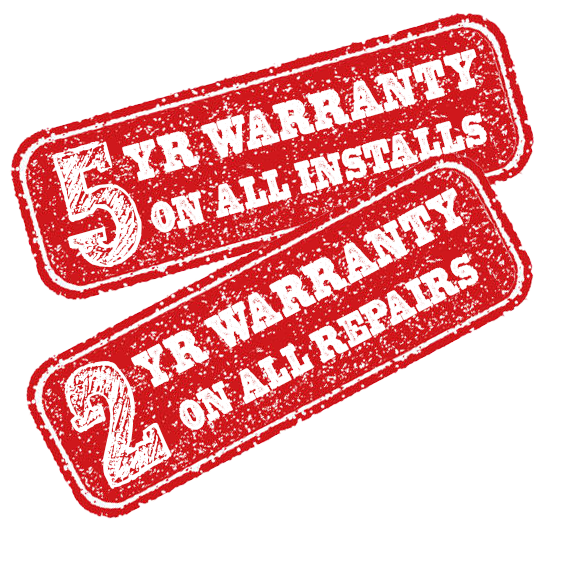
5-year warranty on all new installations
AND 2-year warranty on all repairs!