
 Get Pre-Qualified
 603.485.4205
  24/7 Emergency Service Request
 Water Heater Replacement in NH: Lifespan Check & Warning Signs
When homeowners think about “home protection,” they usually picture things like smoke detectors, sump pumps, or a backup generator. The water heater rarely makes the list—until it fails.
And when a traditional tank-style water heater fails, it often fails big. A rupture can dump 40–80 gallons of water onto your basement floor in minutes, and if the supply line keeps feeding the tank, the flooding can continue until someone finds the shutoff.
The good news is that most water heaters give you plenty of warning—if you know what to look for and you check them before they hit the danger zone.
The 8–12 Year Rule (and Why It Matters)
Most standard storage-tank water heaters last 8–12 years. That isn’t a sales pitch; it’s the reality of what’s happening inside the tank every single day:
- Heating and cooling cycles cause the tank’s internal lining to develop tiny cracks over time.
- Once water reaches the steel beneath that lining, corrosion begins—quietly and continuously.
- Minerals in the water (especially in areas with harder water) settle to the bottom, forming sediment buildup that reduces efficiency and accelerates wear.
By year 10, the risk of a sudden leak or tank failure climbs fast. If you don’t know how old your water heater is, the smartest move is to find out—today.
Step 1: Find the Age of Your Water Heater
Look for the manufacturer’s label on the side of the tank. You’ll typically see:
- Brand name
- Model number
- Serial number
- Capacity (gallons)
- Fuel type (gas or electric)
The manufacture date is often embedded in the serial number. Here are a few common patterns:
State / A.O. Smith (many models)
A common newer format uses the first four digits as Year-Year-Week-Week.
- Example:
1605xxxxxxx= 2016, week 5 (early February)
Older units can use letter-based month codes, which are harder to decode reliably without a reference chart.
Rheem / Ruud (often straightforward)
Many use Month-Month-Year-Year at the start of the serial number.
- Example:
1209xxxx= December 2009
Bradford White (trickier)
Often uses a letter code for the year and month that repeats on a cycle. Translation: it’s easy to get wrong without the right key.
Tankless units (like Rinnai)
Serial formats vary by model line, but the date is typically still encoded. If you have tankless and aren’t sure, a quick check by a professional can confirm the age and condition.
If decoding your serial number feels like solving a puzzle, that’s normal. The important point is this: if your unit is approaching 10 years old, it’s time to take the next steps seriously.
Step 2: Do a Quick Visual Inspection (5 Minutes)
You’re looking for early signs of failure—before the “no warning” moment happens.
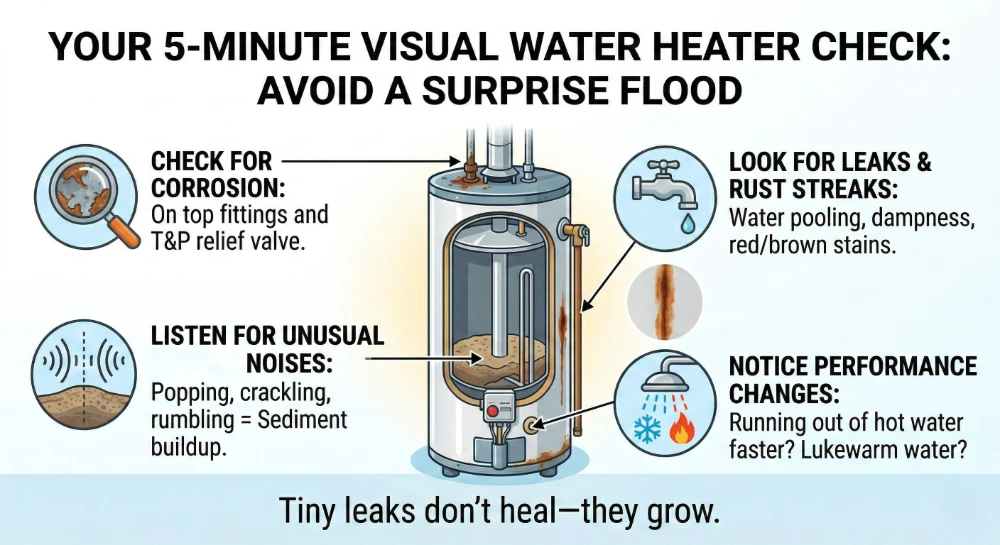
Check for leaks or moisture
- Water on the floor around the tank
- Dampness under the tank
- Drips from fittings or the temperature-and-pressure relief valve discharge pipe
- Rust streaks down the side of the tank
Even a “small” leak is a big deal with a pressurized tank. Tiny leaks don’t heal themselves—they grow.
Look for rust or corrosion
- Corroded fittings on top of the tank
- Rust around the burner area (gas) or access panels (electric)
- Flaking metal at the base of the unit
Listen for unusual noises
Popping, crackling, rumbling, or banging often points to sediment buildup. Sediment forces the heater to work harder, increases operating cost, and speeds up failure.
Notice performance changes
- Hot water running out faster than it used to
- Temperature swings during showers
- Lukewarm water even when the thermostat is set normally
These can be signs of failing components—or internal issues that are often a preview of bigger trouble.
Step 3: Watch Your Utility Bills
Water heating is a major energy expense in most homes. When sediment builds up, your water heater may burn more fuel (or draw more electricity) to do the same job. If your bill is climbing and nothing else has changed, your water heater could be part of the story.
Why Water Heaters “Fail Without Warning” (and Why They Actually Don’t)
Most catastrophic tank failures feel sudden because the real damage is happening inside the tank where you can’t see it:
- The protective lining cracks over time
- The steel corrodes
- The bottom of the tank takes the most abuse from heat and sediment
By the time a tank finally gives way, it can seem like it happened “out of nowhere.” But in many cases, the clues were there—just easy to miss.
Maintenance That Can Extend Life (and Reduce Risk)
A little maintenance goes a long way, especially if your water heater is under 8–10 years old and you want to keep it running longer.
Professional maintenance typically includes:
- Flushing the tank to remove sediment
- Inspecting (and replacing, if needed) the anode rod that helps prevent corrosion
- Testing the temperature and pressure relief (TPR) valve
- Checking venting, combustion, and safety components (for gas units)
- Inspecting valves and connections for seepage or corrosion
This isn’t just about efficiency—it’s about preventing a leak that can damage flooring, drywall, stored belongings, and finished basement spaces.
Replacement Planning: Tank vs. Tankless (State vs. Rinnai)
If your water heater is older, leaking, corroded, or giving you performance issues, replacement planning is a home-protection decision—not just a comfort decision.
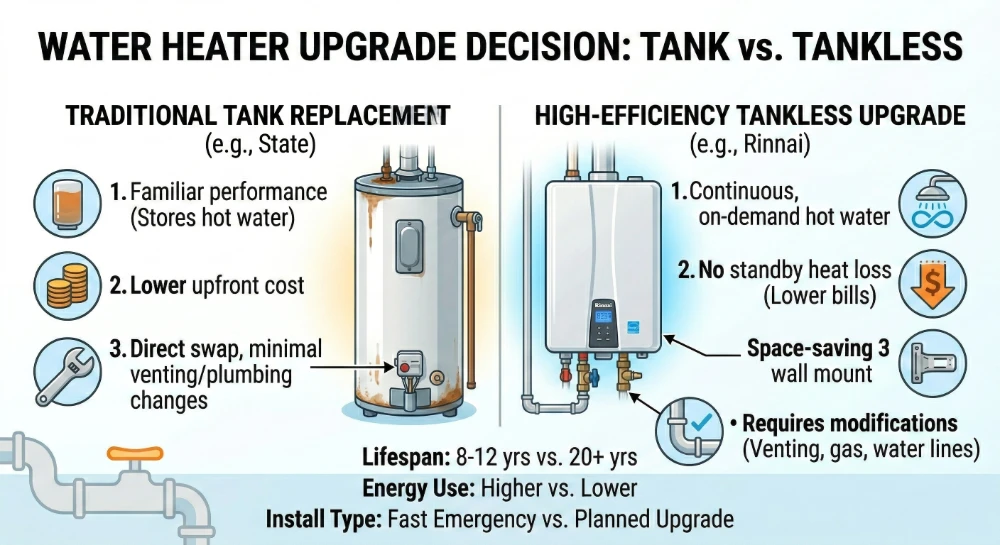
Traditional tank replacement (like State)
A quality storage-tank unit is often the most straightforward replacement:
- Familiar performance
- Usually lower upfront cost
- Often a direct swap with minimal changes to venting or plumbing
It’s a strong option when the home’s hot water demand is typical and the current setup is working well.
High-efficiency tankless upgrade (like Rinnai)
Tankless systems heat water on demand instead of storing it:
- No standby heat loss (often lower operating cost)
- Long service life when maintained
- Continuous hot water within the unit’s capacity
- Space-saving wall-mounted design
A tankless upgrade can require changes like venting modifications, gas line sizing, or other infrastructure adjustments—so it’s best done as a planned project, not a last-minute emergency.
A Smart “Home Protection” Upgrade Most People Skip
If your water heater is in a finished basement or near valuables, consider adding:
- A drain pan (where appropriate)
- A water alarm (simple and inexpensive)
- An automatic shutoff valve for extra protection
These aren’t replacements for maintenance or timely upgrades—but they can dramatically reduce damage if something goes wrong.
When to Call a Pro Immediately
Call for an assessment if you notice:
- Water pooling or active dripping
- Rusty hot water
- Loud rumbling or popping that’s getting worse
- A unit that’s 10+ years old (even if it “seems fine”)
- Any sign of corrosion at the base of the tank
A quick evaluation now is far easier than emergency replacement during a failure—especially during the busiest seasons.
Protecting Your Home Means Preventing Problems
If you’re not sure how old your water heater is, start with the serial number. If you’re seeing leaks, corrosion, noise, or inconsistent hot water, don’t ignore it. The cost of proactive replacement or maintenance is almost always less than the cost of water damage cleanup, repairs, and disruption.
If you’d like, we can assess your current system and recommend the best path forward—whether that’s a reliable traditional State water heater replacement or an efficient Rinnai tankless upgrade designed for long-term performance.
Schedule a water heater lifespan check and protect your home before the tank makes the decision for you.
More Practical Home Advice You Can Trust
Our homes face unique challenges in New Hampshire’s climate. These articles break down heating, plumbing, and electrical topics in plain language—helping you understand what matters, what can wait, and how to protect your home through every season.
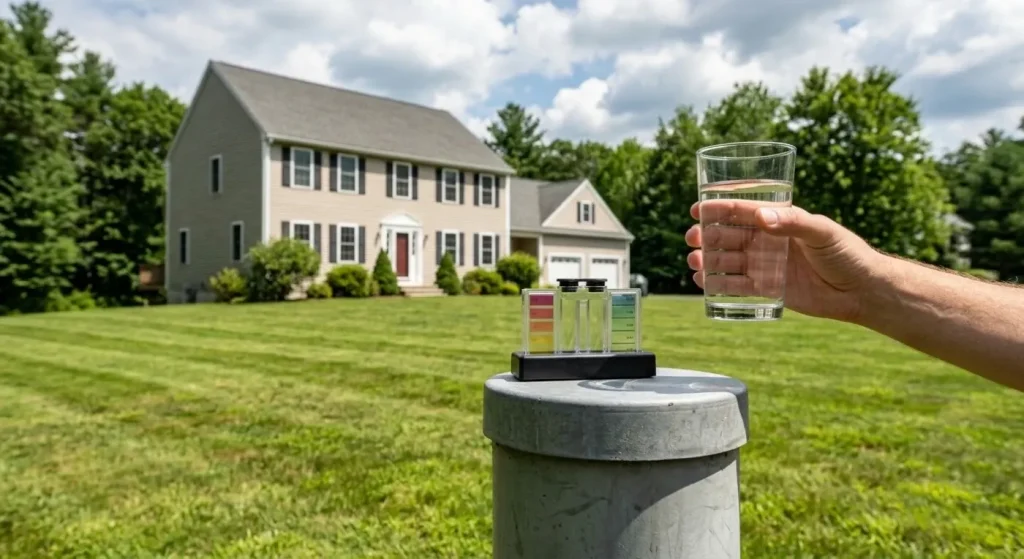
Well Water Season: Should Your NH Home Get a Summer Water Test?
For many New Hampshire homeowners, well water is part of everyday life. You turn on the tap, fill a glass, run the shower, water the garden, and assume the water coming from your private well is safe. But unlike town or city water, private wells are not monitored by a municipal water department. That responsibility…
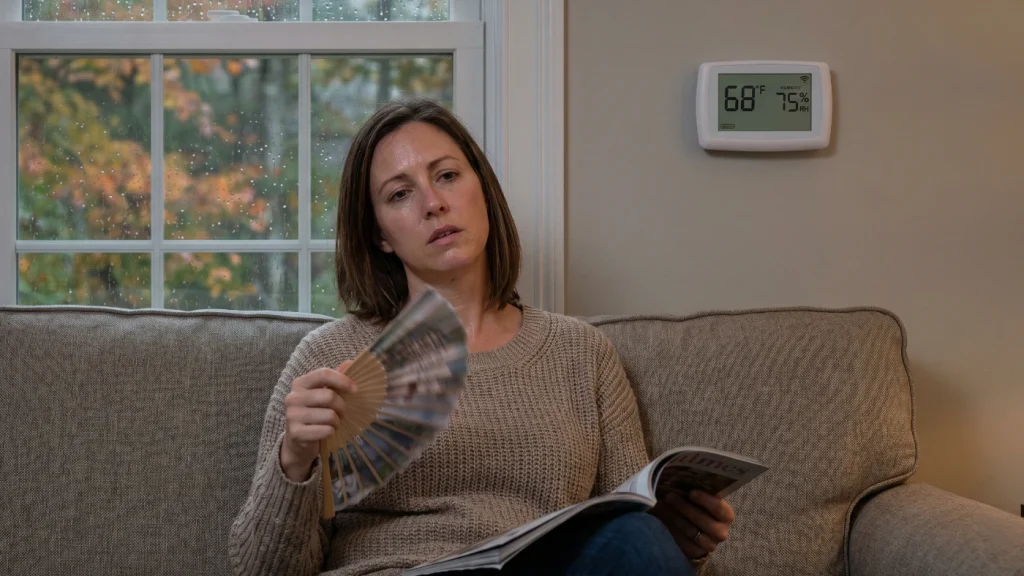
Why Your Home Feels Sticky When It Is Not Hot Outside
New Hampshire weather has a way of confusing your home’s comfort system One day it is cool enough to leave the windows closed. The next day the house feels damp, sticky, and uncomfortable — even though the thermostat says it is only 68 or 70 degrees inside. That is one of the most common shoulder-season…

Why Your Upstairs Is Always Hotter Than the Living Room
If you own a two-story Colonial in southern New Hampshire, this may sound familiar: The living room feels fine. The thermostat says the AC is working. But the upstairs bedrooms are still warm, sticky, and uncomfortable. By bedtime, the second floor can feel 6, 8, or even 10 degrees hotter than the first floor. The…

Ductless Mini-Splits for Older NH Homes Without Ductwork
Older New Hampshire homes have a lot of character. They also have a comfort challenge. Many Colonials, Capes, farmhouses, and mid-century homes were built around boilers, radiators, or hot-water baseboard heat. Those systems can keep a home warm, but they were not designed for central air conditioning. In many older homes, there simply is not…
Outdoor GFCI Outlets: Why Weatherproof Protection Matters for NH Homes
Outdoor power is something most homeowners use without thinking much about it. You plug in holiday lights. Run a power washer. Charge yard tools. Power patio speakers. Use landscape lighting. Maybe you have an outdoor kitchen, pool equipment, irrigation controls, or smart devices around the house. But outdoor electricity has to deal with conditions indoor…
Why NH Pollen Is Hitting Your HVAC System Harder This Year
If it feels like pollen season is worse than usual this spring, you’re not imagining it. Across New Hampshire, homeowners are dealing with heavy tree pollen from oak, maple, and ash. Most people think of pollen as an allergy problem. Sneezing, itchy eyes, congestion. But what many homeowners do not realize is that pollen can…
Should You Shut Your Boiler Off for Spring in NH?
When the weather starts warming up in New Hampshire, a lot of homeowners start asking the same question: Should I shut my boiler off for the season, or leave it running? The honest answer is that it depends on your system. For many homes, mid-to-late April is the right time to stop using the heating…

Tired of High Electric Bills in Southern NH? Start With These Smart Upgrades
If your electric bill in Southern New Hampshire has been climbing, you are not imagining it. Between high regional electricity costs, older homes that leak heated or cooled air, and HVAC systems working harder than they should, many homeowners are paying more every month than necessary. The good news is that lowering your bill does…
Low Water Pressure in Spring? 5 Plumbing Problems NH Homeowners Shouldn’t Ignore
When spring finally shows up in New Hampshire, most homeowners are ready to open windows, clean up the yard, and put winter behind them. But for your plumbing system, spring can be one of the toughest times of year. As frost leaves the ground, snowmelt saturates the soil, municipal crews begin hydrant flushing, and aging…

How Your HVAC and Plumbing Systems Can Help Fight Spring Allergies
Spring is a welcome change in Southern New Hampshire. The snow melts, the windows start to open, and the air finally feels lighter. But for many homeowners, spring also brings sneezing, congestion, itchy eyes, and poor indoor air quality. Most people think of spring allergies as an outdoor problem. In reality, your home’s HVAC and…

Our Commitment to Your
PEACE OF MIND
5-year warranty on all new installations
AND 2-year warranty on all repairs!