
 Get Pre-Qualified
 603.485.4205
  24/7 Emergency Service Request
 How Your HVAC and Plumbing Systems Can Help Fight Spring Allergies
Spring is a welcome change in Southern New Hampshire. The snow melts, the windows start to open, and the air finally feels lighter. But for many homeowners, spring also brings sneezing, congestion, itchy eyes, and poor indoor air quality.
Most people think of spring allergies as an outdoor problem. In reality, your home’s HVAC and plumbing systems play a major role in how much pollen, dust, mold, and moisture end up circulating inside. If those systems are clean and working properly, they help protect your indoor environment. If they are neglected, they can make allergy season much worse.
At Al Terry Plumbing, Heating, Air Conditioning & Electric, we’ve spent decades helping families across Southern New Hampshire keep their homes comfortable, clean, and healthy through every season. Spring is one of the most important times to make sure your home is ready.
Why spring allergies often get worse indoors
Once pollen and other contaminants make their way inside, they do not just disappear. They settle into carpets, furniture, vents, and floors. Then, every time your heating or cooling system runs, those particles can be pulled into the return ducts and circulated back through your home.
That means your HVAC system can either help remove allergens from the air or keep redistributing them from room to room.
Common spring indoor air quality triggers include:
- Tree and grass pollen
- Dust and pet dander
- Mold spores
- Excess humidity
- Dirty ductwork or clogged filters
- Musty odors caused by drain or moisture issues
In New Hampshire, spring also comes with mud season. Wet soil, moisture, and organic debris get tracked inside and can dry into fine dust that becomes airborne again. Add basement dampness or older ductwork to the mix, and indoor air quality can decline quickly.
Your air filter matters more than you think
Your HVAC filter is your first line of defense against airborne allergens. A clean, properly selected filter can capture pollen, dust, mold spores, and other particles before they are sent back into your living space.
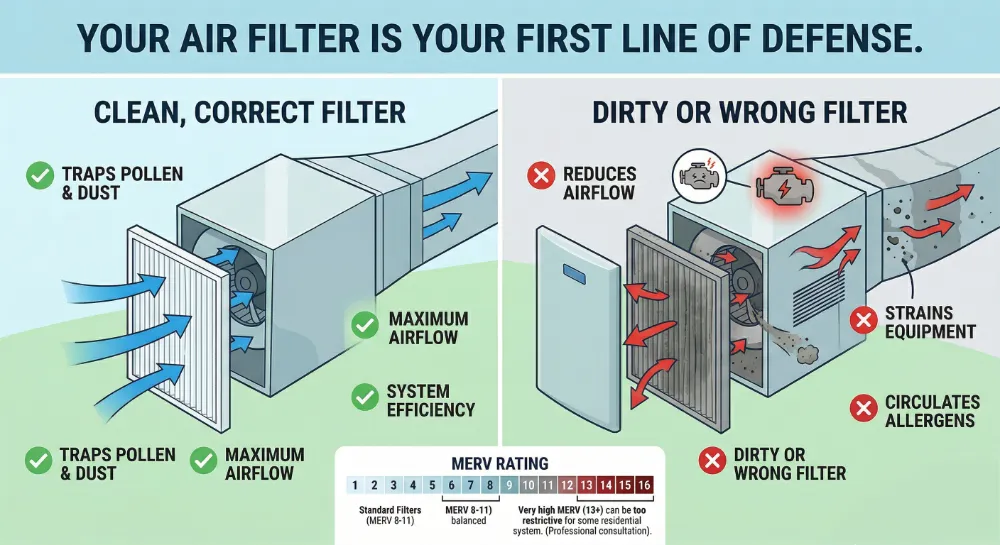
But not every filter is right for every system.
Many homeowners assume the highest-rated filter is always the best choice. In reality, a filter that is too restrictive can reduce airflow and put extra strain on your equipment. That can lead to poor performance, frozen coils, overheating, and unnecessary wear on your system.
A professional can help determine the best filter for your equipment and your family’s needs. In many homes, upgrading to a better-quality filter makes a noticeable difference during allergy season without compromising system performance.
Dirty equipment can affect air quality too
Even with a filter in place, your HVAC system can still collect a surprising amount of buildup over time. Pollen, dust, and organic debris can coat important components, especially during the spring and summer months.
When dirt and contaminants collect on the evaporator coil or inside the air handler, the system becomes less efficient and can create the perfect environment for mold and bacteria. That buildup can lead to:
- Reduced cooling performance
- Higher energy use
- Musty smells from vents
- More allergens circulating through the home
A spring tune-up helps remove buildup, improve airflow, and make sure your system is ready before the summer demand hits.
Humidity control plays a major role in allergy relief
Indoor humidity has a direct impact on comfort and air quality. If your home is too damp, it creates a better environment for mold and dust mites. If it is too dry, it can irritate your nose, throat, and sinuses, making allergy symptoms feel even worse.
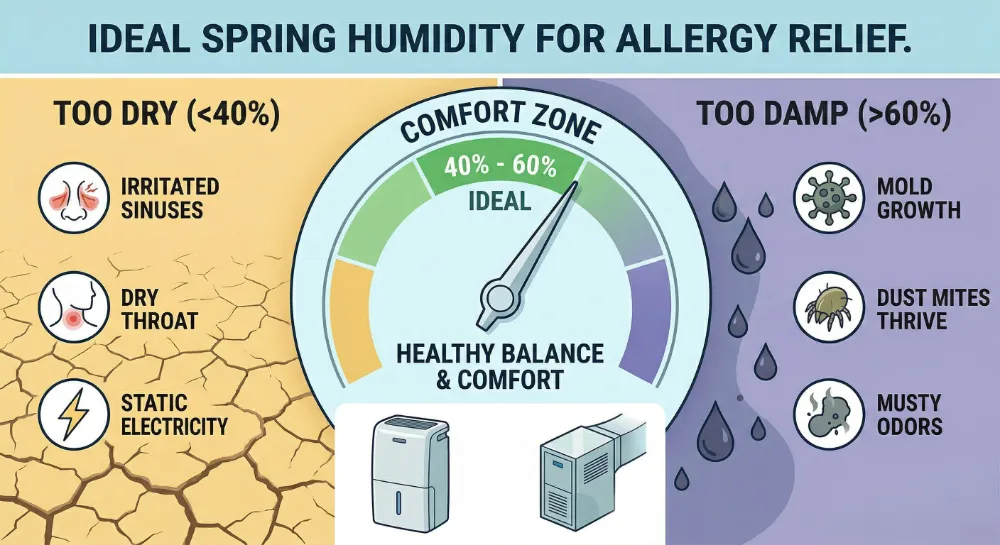
The ideal indoor humidity range is typically between 40 and 60 percent.
In spring, rising moisture levels can create problems in basements, crawl spaces, and air conditioning systems. Even if the temperature feels comfortable, the air can still be carrying too much moisture. That is where proper dehumidification becomes important.
A whole-home dehumidifier or a properly functioning cooling system can help reduce moisture in the air, making your home feel more comfortable while also limiting conditions that allow mold and other irritants to thrive.
Plumbing problems can affect indoor air quality too
Most homeowners do not connect plumbing issues with spring allergies, but they should.
Your plumbing system and HVAC system often work more closely together than people realize. Moisture, drain issues, and even unused plumbing fixtures can all affect the air inside your home.

Condensate drain problems
As your air conditioner removes humidity from the air, that moisture drains away through a condensate line. If that drain line becomes clogged with algae, sludge, or debris, water can back up into the system.
That standing water can lead to mold growth, musty odors, and potential water damage. In some cases, those mold spores can then be pulled into the airflow and spread through the home.
Dry drain traps
Unused sinks, tubs, or basement floor drains can also create an indoor air quality issue. These drains rely on water sitting in a curved trap to block sewer gases from entering the home. If the trap dries out, unpleasant and irritating sewer odors can come back up through the drain.
This is especially common in guest bathrooms, utility sinks, and basement drains that are not used often during the winter.
A simple spring check of these areas can prevent odors and help keep your home healthier.
Leaky ductwork can pull in allergens from unconditioned spaces
If your ductwork has leaks, your HVAC system may be pulling in more than just air from your living space. In homes with ducts running through basements, attics, or crawl spaces, gaps and unsealed joints can draw in dust, damp air, insulation particles, and other contaminants.
This is one of the hidden reasons some homes continue to struggle with indoor air quality even after changing filters or cleaning the system.
Sealing and inspecting ductwork can help keep treated air inside the home and unwanted contaminants out.
Spring maintenance can make a real difference
The best way to protect your home during allergy season is to be proactive. A spring HVAC and plumbing check helps catch the issues that often contribute to poor indoor air quality before they turn into bigger problems.
A professional spring visit may include:
- Replacing or checking air filters
- Inspecting and cleaning system components
- Flushing the condensate drain
- Checking humidity and drainage issues
- Looking for signs of mold or musty buildup
- Inspecting plumbing traps and seasonal moisture concerns
- Making sure your system is ready for warmer weather
This kind of preventive care does more than improve comfort. It can help reduce allergy triggers, improve efficiency, and protect the life of your equipment.
A healthier home starts with the systems behind the walls
When spring allergies hit, most people focus on medications, air fresheners, or cleaning surfaces. Those can help, but the real solution often starts deeper in the home.
Your HVAC and plumbing systems have a direct impact on the air your family breathes every day. Clean filters, proper airflow, good humidity control, and functioning drains all work together to create a healthier indoor environment.
At Al Terry, we help homeowners across Southern New Hampshire prepare their homes for every season. If your family struggles with spring allergies, now is the time to take a closer look at the systems that support your comfort year-round.
Need help getting your home ready for spring? Contact Al Terry Plumbing, Heating, Air Conditioning & Electric to schedule seasonal maintenance and improve your home’s indoor air quality.
More Practical Home Advice You Can Trust
Our homes face unique challenges in New Hampshire’s climate. These articles break down heating, plumbing, and electrical topics in plain language—helping you understand what matters, what can wait, and how to protect your home through every season.
Well Water Season: Should Your NH Home Get a Summer Water Test?
For many New Hampshire homeowners, well water is part of everyday life. You turn on the tap, fill a glass, run the shower, water the garden, and assume the water coming from your private well is safe. But unlike town or city water, private wells are not monitored by a municipal water department. That responsibility…
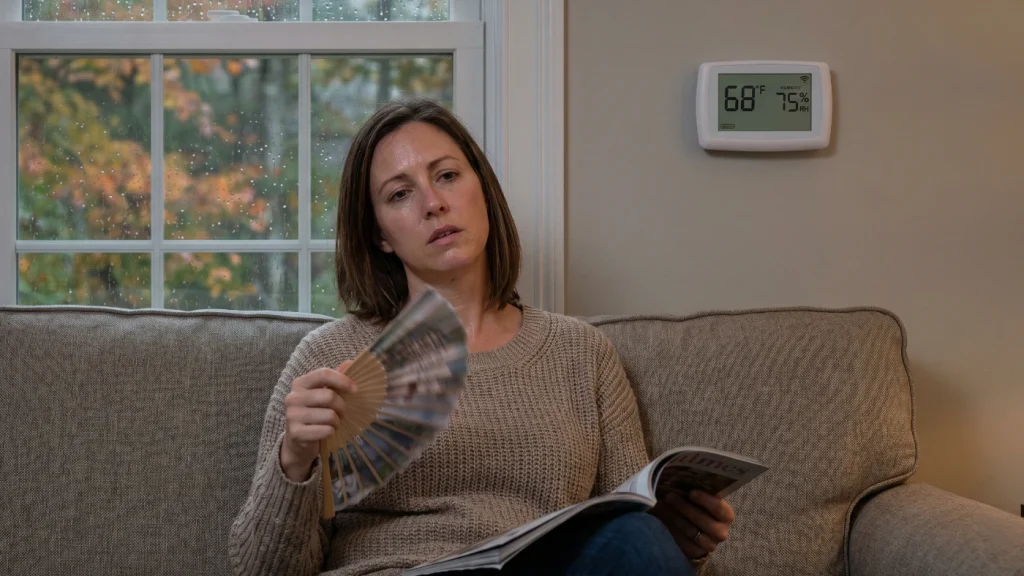
Why Your Home Feels Sticky When It Is Not Hot Outside
New Hampshire weather has a way of confusing your home’s comfort system One day it is cool enough to leave the windows closed. The next day the house feels damp, sticky, and uncomfortable — even though the thermostat says it is only 68 or 70 degrees inside. That is one of the most common shoulder-season…

Why Your Upstairs Is Always Hotter Than the Living Room
If you own a two-story Colonial in southern New Hampshire, this may sound familiar: The living room feels fine. The thermostat says the AC is working. But the upstairs bedrooms are still warm, sticky, and uncomfortable. By bedtime, the second floor can feel 6, 8, or even 10 degrees hotter than the first floor. The…
Ductless Mini-Splits for Older NH Homes Without Ductwork
Older New Hampshire homes have a lot of character. They also have a comfort challenge. Many Colonials, Capes, farmhouses, and mid-century homes were built around boilers, radiators, or hot-water baseboard heat. Those systems can keep a home warm, but they were not designed for central air conditioning. In many older homes, there simply is not…
Outdoor GFCI Outlets: Why Weatherproof Protection Matters for NH Homes
Outdoor power is something most homeowners use without thinking much about it. You plug in holiday lights. Run a power washer. Charge yard tools. Power patio speakers. Use landscape lighting. Maybe you have an outdoor kitchen, pool equipment, irrigation controls, or smart devices around the house. But outdoor electricity has to deal with conditions indoor…
Why NH Pollen Is Hitting Your HVAC System Harder This Year
If it feels like pollen season is worse than usual this spring, you’re not imagining it. Across New Hampshire, homeowners are dealing with heavy tree pollen from oak, maple, and ash. Most people think of pollen as an allergy problem. Sneezing, itchy eyes, congestion. But what many homeowners do not realize is that pollen can…
Should You Shut Your Boiler Off for Spring in NH?
When the weather starts warming up in New Hampshire, a lot of homeowners start asking the same question: Should I shut my boiler off for the season, or leave it running? The honest answer is that it depends on your system. For many homes, mid-to-late April is the right time to stop using the heating…

Tired of High Electric Bills in Southern NH? Start With These Smart Upgrades
If your electric bill in Southern New Hampshire has been climbing, you are not imagining it. Between high regional electricity costs, older homes that leak heated or cooled air, and HVAC systems working harder than they should, many homeowners are paying more every month than necessary. The good news is that lowering your bill does…
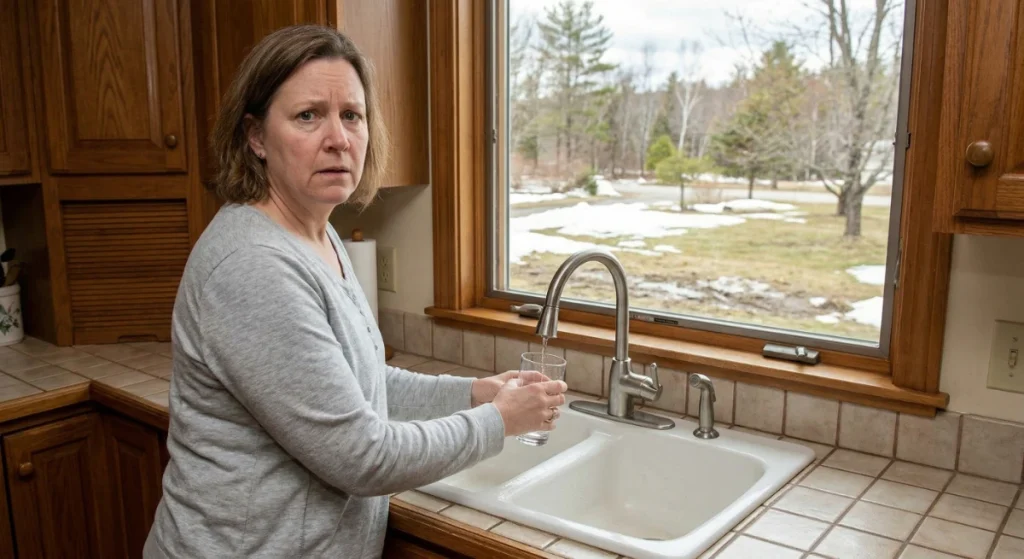
Low Water Pressure in Spring? 5 Plumbing Problems NH Homeowners Shouldn’t Ignore
When spring finally shows up in New Hampshire, most homeowners are ready to open windows, clean up the yard, and put winter behind them. But for your plumbing system, spring can be one of the toughest times of year. As frost leaves the ground, snowmelt saturates the soil, municipal crews begin hydrant flushing, and aging…

How Your HVAC and Plumbing Systems Can Help Fight Spring Allergies
Spring is a welcome change in Southern New Hampshire. The snow melts, the windows start to open, and the air finally feels lighter. But for many homeowners, spring also brings sneezing, congestion, itchy eyes, and poor indoor air quality. Most people think of spring allergies as an outdoor problem. In reality, your home’s HVAC and…

Our Commitment to Your
PEACE OF MIND
5-year warranty on all new installations
AND 2-year warranty on all repairs!