
 Get Pre-Qualified
 603.485.4205
  24/7 Emergency Service Request
 Sump Pump Season Prep | Prevent Basement Flooding This Spring
Spring in Southern New Hampshire brings two things homeowners can count on: melting snow and heavy rain. That combination puts serious pressure on your home’s foundation, especially if water collects around the basement and your sump pump is not ready to handle it.
Your sump pump is one of the most important lines of defense against basement flooding. When it works properly, it moves groundwater away from your home before it can become a costly problem. When it fails during a storm or spring thaw, the result can be water damage, mold growth, ruined belongings, and expensive repairs.
The good news is that a few simple checks now can help you avoid a major headache later.
Why Spring Is Hard on Basements
During the winter, frozen ground limits how well water can soak into the soil. When temperatures rise, melting snow and spring rain create a large volume of water in a short amount of time. That water often moves toward the lowest point around your home, which is usually the foundation.
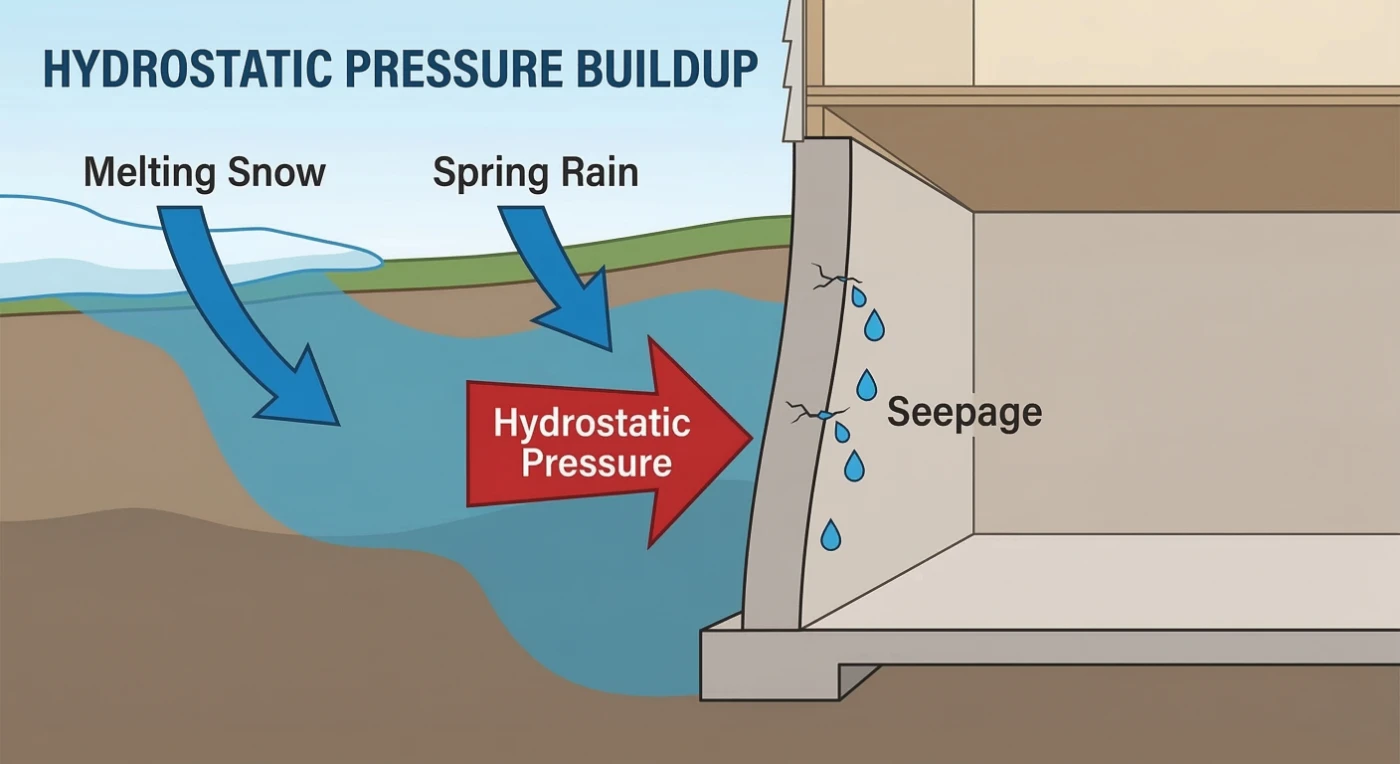
As the soil around the foundation becomes saturated, pressure builds against basement walls and floors. This is known as hydrostatic pressure. If your drainage system is overwhelmed or your sump pump is not working correctly, water can find its way into the basement through cracks, joints, or the floor itself.
That is why spring is the season when sump pump problems often show up at the worst possible moment.
How to Test Your Sump Pump
Before the next heavy rain, take a few minutes to make sure your system is ready.
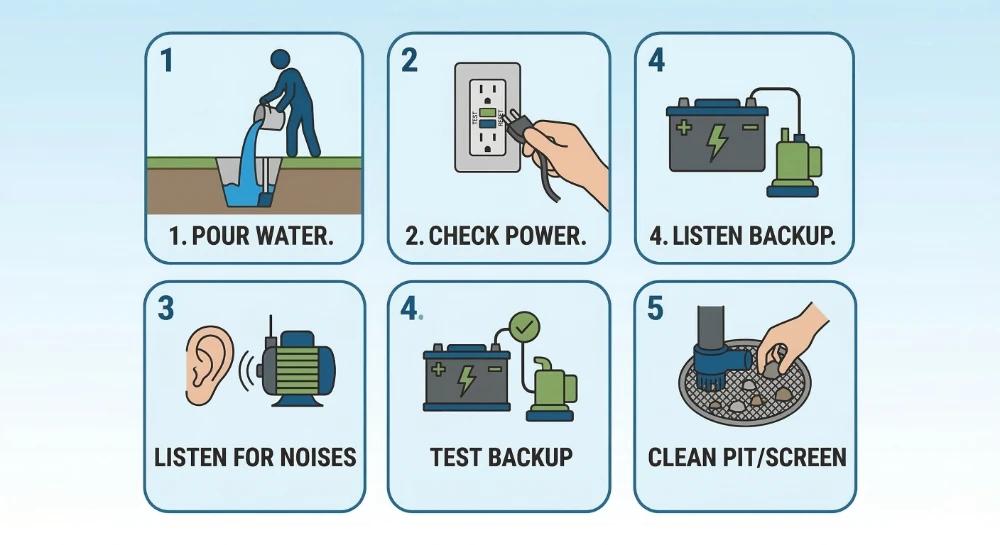
Pour water into the pit
Add water to the sump pit until the float rises. The pump should turn on automatically, remove the water, and shut off properly when the water level drops. If it does not activate, runs continuously, or fails to clear the pit, it needs attention.
Check the power supply
Make sure the pump is plugged into a working outlet and that the circuit has not tripped. A sump pump that has lost power is not protecting anything. If your system uses a GFCI outlet, test it to be sure it is functioning correctly.
Listen for unusual noises
A healthy sump pump typically makes a steady hum and then shuts off once the water is removed. Grinding, screeching, rattling, clicking, or loud banging can point to worn bearings, a jammed impeller, float switch issues, or discharge pipe problems.
Test the backup system
A backup is critical because the storms that bring the most groundwater often bring power outages too. If you have a battery backup, test it under load and make sure the battery is still holding a charge. If your system is water-powered, confirm it is operating as intended.
Clean the pit and screen
Debris buildup can interfere with pump performance. Dirt, gravel, sludge, and mineral deposits can clog the intake screen or jam moving parts. Cleaning the pit and screen helps the pump work efficiently when it matters most.
Signs Your Sump Pump May Need Replacement
Even if your pump still turns on, that does not always mean it is dependable. Most submersible sump pumps have a practical lifespan of about 7 to 10 years, and many professionals recommend replacement once a unit passes the 7-year mark, especially if it has seen regular use.
You may need a replacement if:
- Your sump pump is more than 7 years old
- It makes unusual noises
- It cycles too often or runs constantly
- It struggles to remove water
- The float switch sticks or fails to activate
- You notice rust, corrosion, or visible wear
- Your backup system no longer performs reliably
Waiting for a failing pump to make it through one more storm is a gamble most homeowners regret.
The Cost of Waiting
A sump pump issue can turn into much more than a wet floor. Basement flooding can damage drywall, flooring, stored belongings, furniture, electrical components, and finished living spaces. Water that sits too long can also lead to mold growth in as little as 24 to 48 hours.
In many cases, the cost of replacing a worn sump pump is minor compared to the cost of cleanup, restoration, and repairs after a flood.
A Smart Spring Maintenance Step
Spring maintenance is about more than convenience. It is about reducing risk before the season puts your home to the test. A sump pump inspection can help identify wear, power issues, drainage problems, and backup concerns before they become emergencies.
If your sump pump is aging, showing warning signs, or you simply want peace of mind before the next storm, now is the right time to act.
Al Terry Plumbing & Heating helps protect basements across Southern New Hampshire with sump pump inspections, maintenance, and replacement. A quick check today can help prevent major water damage tomorrow.
More Practical Home Advice You Can Trust
Our homes face unique challenges in New Hampshire’s climate. These articles break down heating, plumbing, and electrical topics in plain language—helping you understand what matters, what can wait, and how to protect your home through every season.
Low Water Pressure in Spring? 5 Plumbing Problems NH Homeowners Shouldn’t Ignore
When spring finally shows up in New Hampshire, most homeowners are ready to open windows, clean up the yard, and put winter behind them. But for your plumbing system, spring can be one of the toughest times of year. As frost leaves the ground, snowmelt saturates the soil, municipal crews begin hydrant flushing, and aging…

How Your HVAC and Plumbing Systems Can Help Fight Spring Allergies
Spring is a welcome change in Southern New Hampshire. The snow melts, the windows start to open, and the air finally feels lighter. But for many homeowners, spring also brings sneezing, congestion, itchy eyes, and poor indoor air quality. Most people think of spring allergies as an outdoor problem. In reality, your home’s HVAC and…
Why March Is the Smartest Time to Service Your AC in New Hampshire
Why March Is the Smartest Time to Service Your AC in New Hampshire Most homeowners in New Hampshire do not think about air conditioning in March. They are still thinking about snowbanks, muddy driveways, and one more spike in the heating bill. But that is exactly why March is such a smart time to look…

Sump Pump Season Prep | Prevent Basement Flooding This Spring
Spring in Southern New Hampshire brings two things homeowners can count on: melting snow and heavy rain. That combination puts serious pressure on your home’s foundation, especially if water collects around the basement and your sump pump is not ready to handle it. Your sump pump is one of the most important lines of defense…
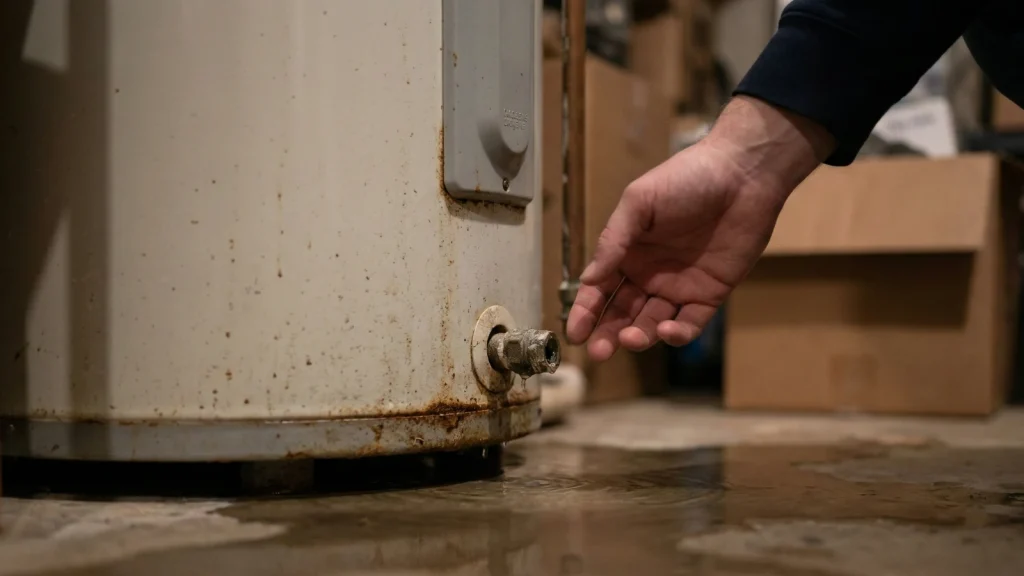
Water Heater Replacement in NH: Lifespan Check & Warning Signs
When homeowners think about “home protection,” they usually picture things like smoke detectors, sump pumps, or a backup generator. The water heater rarely makes the list—until it fails. And when a traditional tank-style water heater fails, it often fails big. A rupture can dump 40–80 gallons of water onto your basement floor in minutes, and…
Spring Maintenance in Southern NH: Get Ahead of the March Rush
Spring in Southern New Hampshire doesn’t ease in quietly. Snowmelt, early rainstorms, and rapid temperature swings can expose problems that stayed hidden all winter. March is the best time to schedule spring maintenance because your home is transitioning from winter protection to spring reactivation—and service calendars fill up quickly once consistent warm weather arrives. A…

Indoor Air Quality in Winter: How to Fix Stuffy Air in Your NH Home
Your home is sealed tight for winter—and that’s great for comfort and heating bills. But in February, many New Hampshire homes are “buttoned up,” which means you’re breathing the same air over and over. Indoor air can build up dust, odors, moisture issues, and invisible pollutants—and in some cases, it can even affect how you…

Valentine’s Day Home Love: Winter Maintenance Tips for NH Homes
Valentine’s Day is usually about taking care of the people you love. But the idea behind it—care, protection, and follow-through—translates surprisingly well to homeownership. In Southern New Hampshire, mid-February is when homes take the most punishment. Heating systems are running hard, plumbing is exposed to deep cold, and electrical panels are carrying heavy winter loads.…
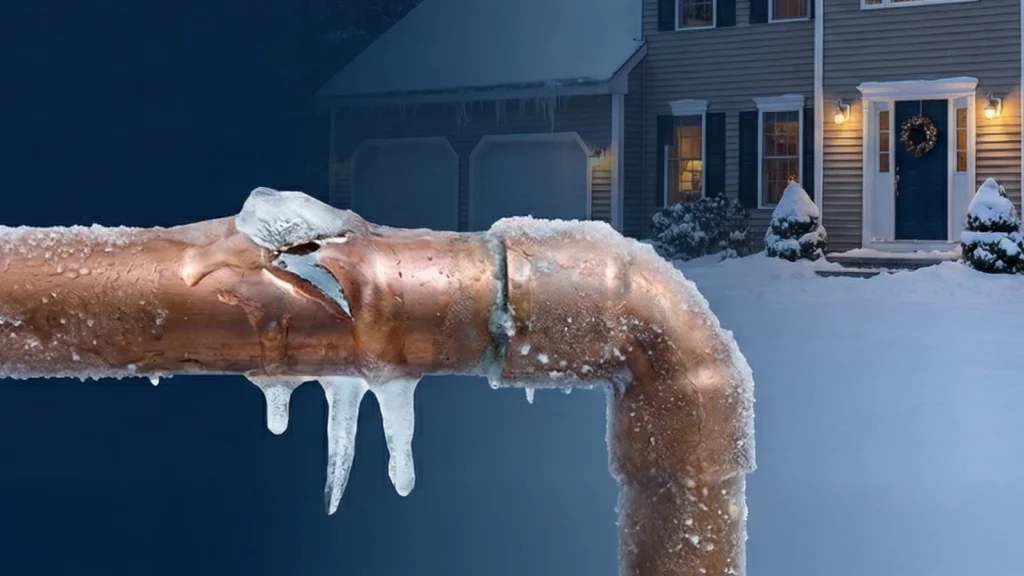
Frozen Pipes: The Hidden Threat in Every New Hampshire Winter
When temperatures plunge below zero in Southern New Hampshire, your home’s plumbing system enters a battle against physics. One side loses this battle every winter—and the cost is devastating. A single burst pipe can cause $10,000 to $15,000 in water damage, turn your home into a construction zone for weeks, and leave you fighting with…
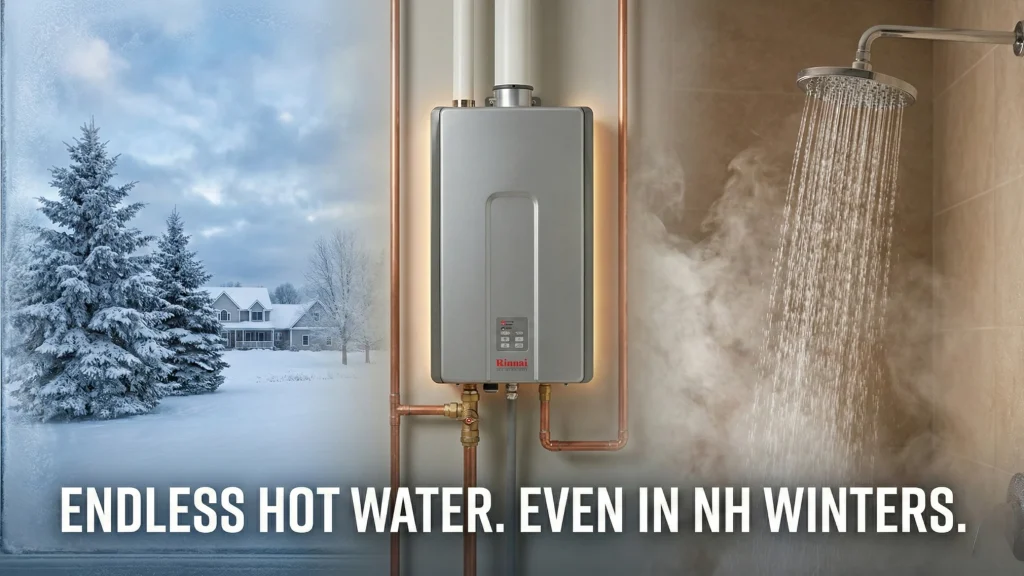
Why NH Homeowners Trust Rinnai Tankless Water Heaters
If you’ve been researching tankless water heaters, you’ve probably noticed one name coming up again and again: Rinnai. Homeowners ask us all the time why certain brands seem to dominate professional recommendations—and whether that reputation is actually earned. After installing, servicing, and maintaining water heaters through fifty New Hampshire winters, we’ve learned that trust in…

Our Commitment to Your
PEACE OF MIND
5-year warranty on all new installations
AND 2-year warranty on all repairs!