
 Get Pre-Qualified
 603.485.4205
  24/7 Emergency Service Request
 Outdoor GFCI Outlets: Why Weatherproof Protection Matters for NH Homes
Outdoor power is something most homeowners use without thinking much about it.
You plug in holiday lights. Run a power washer. Charge yard tools. Power patio speakers. Use landscape lighting. Maybe you have an outdoor kitchen, pool equipment, irrigation controls, or smart devices around the house.
But outdoor electricity has to deal with conditions indoor outlets never face.
Rain. Snow. Ice. Humidity. Pollen. Dirt. Freeze-thaw cycles. Lawn equipment. Extension cords. And in New Hampshire, long winters can be especially tough on outdoor electrical components.
That is why outdoor outlets are not just regular outlets installed outside. They need the right protection, the right covers, and the right installation. One of the most important safety devices involved is the GFCI outlet.
At Al Terry Plumbing, Heating, HVAC & Electrical, we help homeowners understand when an outdoor outlet is safe, when it needs attention, and when it should be upgraded by a licensed electrician.
What Is a GFCI Outlet?
A GFCI, or Ground-Fault Circuit Interrupter, is designed to help protect people from electric shock.
It works by monitoring the electrical current flowing through a circuit. If the device senses that electricity is leaking away from the normal path, it can shut off power very quickly.
This matters outdoors because water and electricity are a dangerous combination. Wet grass, damp concrete, puddles, rain, snow, and metal tools can all increase the risk of shock.
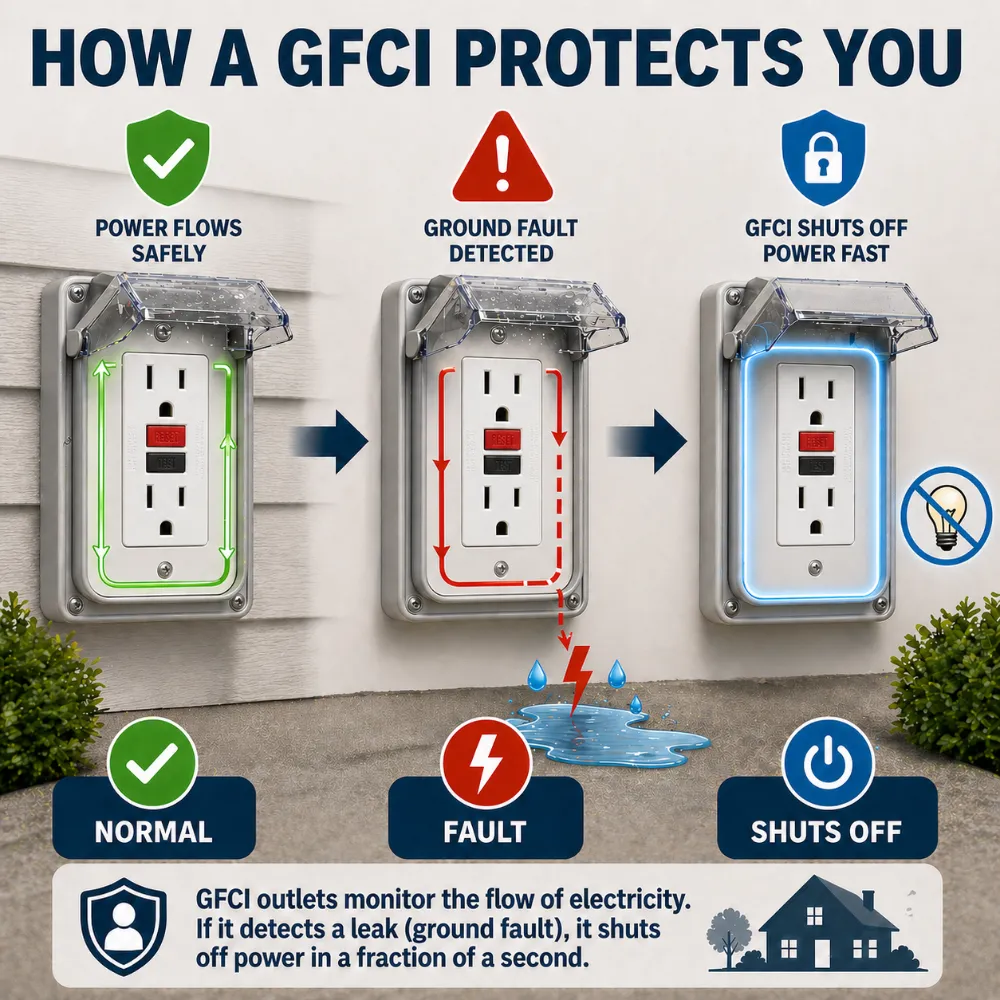
Outdoor GFCI protection is required for many exterior receptacles, including outdoor outlets around homes, decks, porches, garages, accessory buildings, and similar areas. The research also notes that outdoor receptacles must be properly protected and weather-resistant under current electrical safety standards.
Why Outdoor Outlets Need More Protection Than Indoor Outlets
An outlet inside your living room is protected from direct weather. An outdoor outlet is not.
Even if it sits under an overhang, it may still be exposed to moisture, wind-driven rain, snow melt, dirt, insects, UV damage, and temperature swings.
Over time, those conditions can cause:
- corrosion inside the outlet
- loose connections
- cracked covers
- worn gaskets
- nuisance tripping
- failed reset buttons
- damaged wiring
- hidden shock hazards
A standard indoor outlet is not built for this environment. Outdoor receptacles should be weather-resistant, often marked as WR, and protected by the correct exterior cover.
Weather-Resistant Does Not Mean Waterproof Forever
This is an important point for homeowners.
A weather-resistant outdoor GFCI is built to handle outdoor conditions better than a standard outlet. It may use tougher plastics, corrosion-resistant parts, and materials designed to stand up to UV exposure and moisture.
But it is not invincible.
If the cover is cracked, the gasket is loose, the box is damaged, or the outlet has been exposed for years, water can still get in. Once moisture reaches the wiring or internal contacts, the outlet may become unreliable or unsafe.
That is why outdoor electrical components should be inspected periodically, especially before heavy seasonal use.
The Cover Matters Just as Much as the Outlet
Many homeowners focus on the outlet itself, but the cover is a major part of the safety system.
Outdoor outlets in wet locations usually need a while-in-use cover. These are often called bubble covers. They are designed so a cord can stay plugged in while the cover remains closed.
This is especially important for things like:
- holiday lights
- patio lights
- pond pumps
- outdoor décor
- landscape equipment
- temporary outdoor power needs
If a plug is connected and the cover cannot close, the outlet may be exposed to rain or snow. That can lead to corrosion, tripping, or a shock risk.
A cracked, missing, or loose outdoor outlet cover should not be ignored.
Common Signs Your Outdoor GFCI Outlet Needs Service
Call an electrician if you notice any of these warning signs:
- the outlet will not reset
- the outlet trips repeatedly
- the TEST or RESET buttons feel loose or stuck
- the cover is broken or missing
- you see rust, discoloration, or burn marks
- plugs feel loose when inserted
- the outlet buzzes, crackles, or smells hot
- the outlet only works sometimes
- the box feels loose on the wall
- water has gotten inside the cover or outlet box
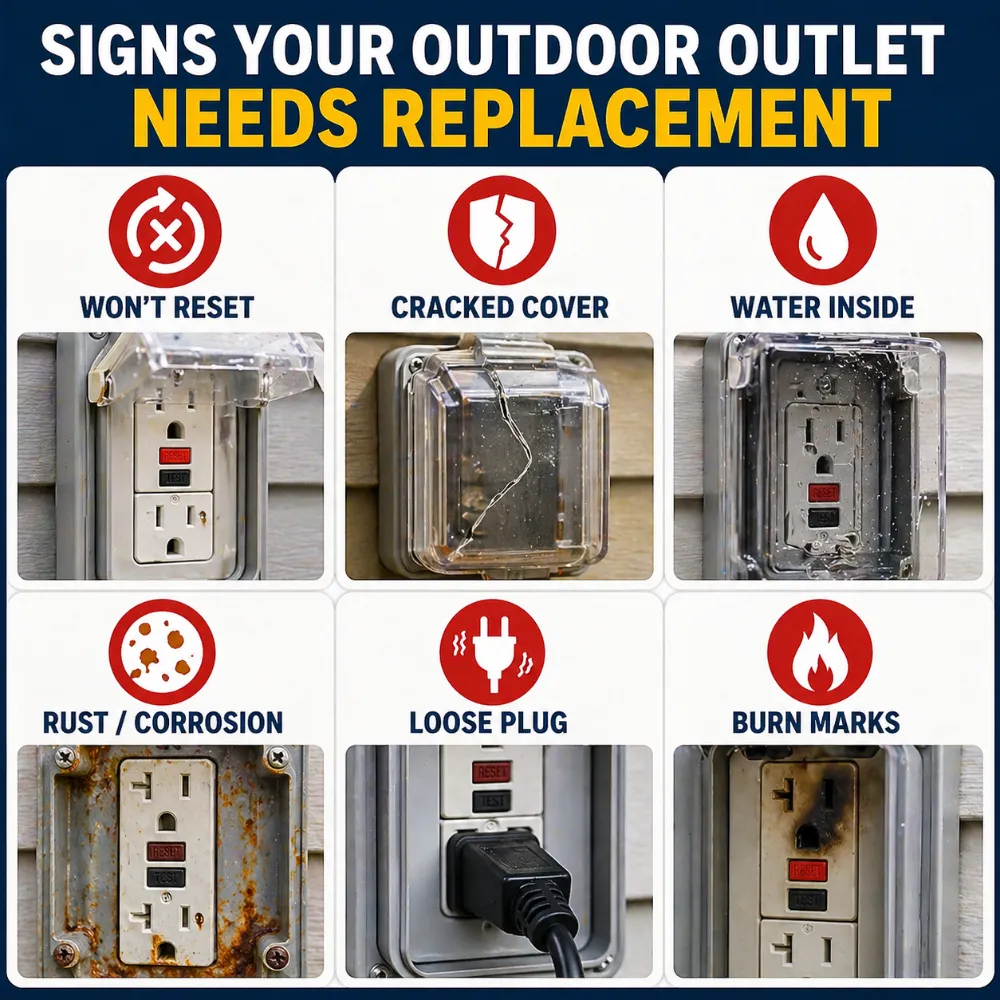
Repeated tripping is especially important. Sometimes a GFCI trips because it is doing its job. Other times, it may point to damaged wiring, moisture intrusion, a failing device, or a problem with whatever is plugged in.
Either way, it is worth having checked.
Why DIY Outdoor Outlet Replacement Can Be Risky
Replacing an outlet may look simple, but outdoor GFCI wiring can be more complicated than it appears.
One common issue is mixing up the line and load terminals. The outlet may still appear to work, but it may not protect the circuit correctly. That can create a false sense of safety.
Other risks include:
- loose wire connections
- improper grounding
- using an indoor-rated device outside
- installing the wrong cover
- failing to seal the box correctly
- not protecting downstream outlets
- missing code requirements for wet or damp locations
Outdoor electrical work has a smaller margin for error because moisture, temperature changes, and physical exposure can turn a minor installation mistake into a serious hazard.
For safety, outdoor GFCI work should be handled by a licensed electrician.
What About Smart Outdoor Plugs?
Smart plugs are popular for patio lights, holiday decorations, and landscape features. They can be convenient, but they are not always a good fit for outdoor GFCI outlets.
Many smart plugs are bulky. When plugged into an outdoor outlet, they may prevent the weatherproof cover from closing. If the cover stays open, rain and snow can reach the outlet.
That defeats the purpose of the protective cover.
For long-term outdoor smart controls, a professionally installed outdoor-rated smart receptacle or properly protected setup may be a safer option.
Pool, Spa, and Water Feature Areas Need Extra Care
Any electrical outlet near a pool, spa, hot tub, pond, or water feature deserves extra attention.
Water areas have stricter electrical safety requirements because the risk of shock is much higher. The placement of outlets, bonding, grounding, GFCI protection, and equipment connections all matter.
Do not guess with electrical work near water.
If you are adding pool equipment, a hot tub, outdoor lighting, or power near a water feature, have the installation reviewed by a licensed electrician.
How Often Should Outdoor GFCI Outlets Be Tested?
A good habit is to test outdoor GFCI outlets monthly during the seasons when you use them most.
To test one:
- Plug in a small device, such as a lamp or tester.
- Press the TEST button.
- Power should shut off.
- Press RESET.
- Power should return.
If the outlet does not trip, does not reset, or still provides power after pressing TEST, stop using it and call an electrician.
Even modern self-testing GFCI devices can wear out over time. Outdoor conditions can shorten the life of the device compared to indoor electrical components.
When Should You Upgrade an Outdoor Outlet?
You may want to consider upgrading if:
- your outdoor outlets are old
- your covers are cracked or outdated
- you rely heavily on extension cords
- you are adding patio equipment or landscape lighting
- you are installing a pool, spa, or hot tub
- you are renovating a deck or porch
- your existing outlet is not weather-resistant
- your home has older exterior wiring
- you want safer smart outdoor controls
An electrician can check whether your existing outlets have proper GFCI protection, weather-resistant devices, safe covers, and secure wiring.
Safer Outdoor Power Starts With the Right Installation
Outdoor outlets are convenient, but they should never be treated like indoor outlets. They face harsher conditions and higher safety risks.
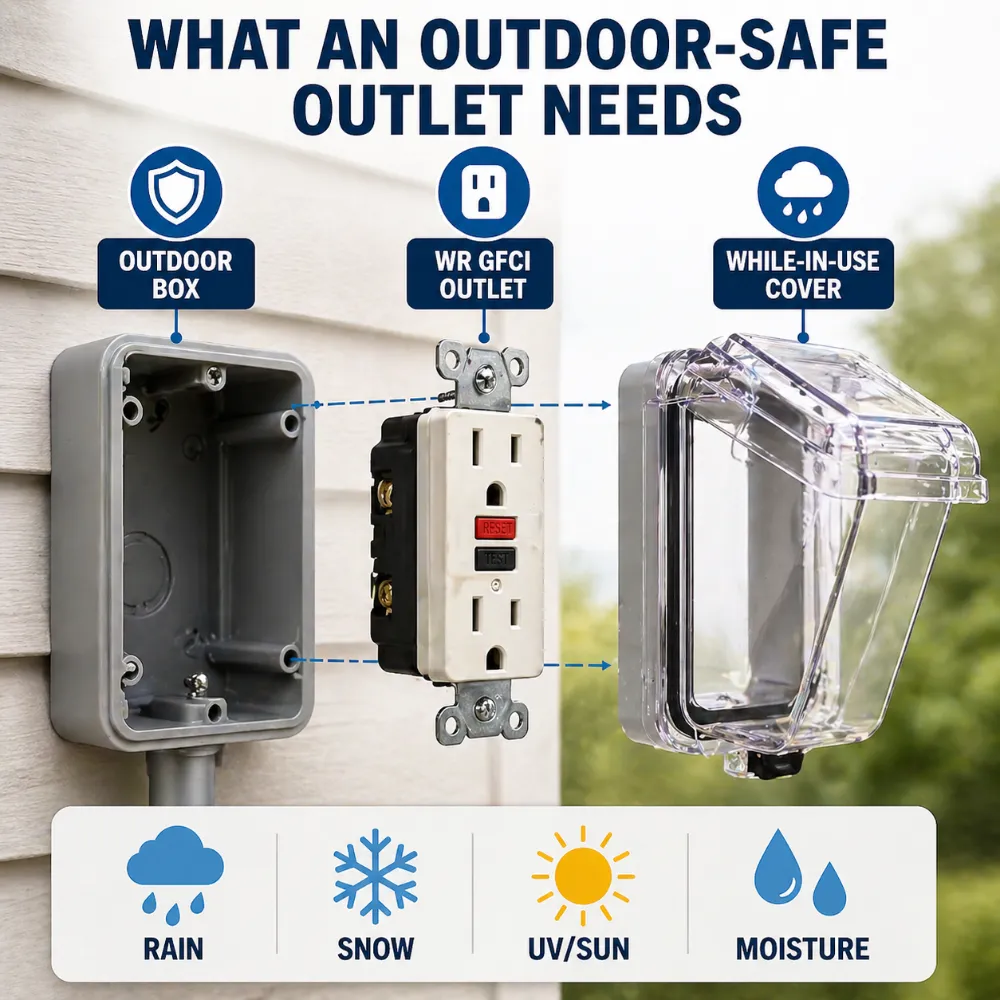
A properly installed outdoor GFCI outlet helps protect your family, your home, and your electrical system. The right setup includes the correct GFCI protection, a weather-resistant receptacle, a secure outdoor-rated box, and the proper cover for the location.
If your outdoor outlets are damaged, outdated, unreliable, or not protected, Al Terry can help.
Need Outdoor Electrical Service in New Hampshire?
Whether you need a GFCI outlet replaced, an outdoor outlet added, a weatherproof cover repaired, or a full exterior electrical safety check, Al Terry Plumbing, Heating, HVAC & Electrical is here to help.
Contact Al Terry today to schedule professional electrical service for your New Hampshire home.
More Practical Home Advice You Can Trust
Our homes face unique challenges in New Hampshire’s climate. These articles break down heating, plumbing, and electrical topics in plain language—helping you understand what matters, what can wait, and how to protect your home through every season.

Ductless Mini-Splits for Older NH Homes Without Ductwork
Older New Hampshire homes have a lot of character. They also have a comfort challenge. Many Colonials, Capes, farmhouses, and mid-century homes were built around boilers, radiators, or hot-water baseboard heat. Those systems can keep a home warm, but they were not designed for central air conditioning. In many older homes, there simply is not…
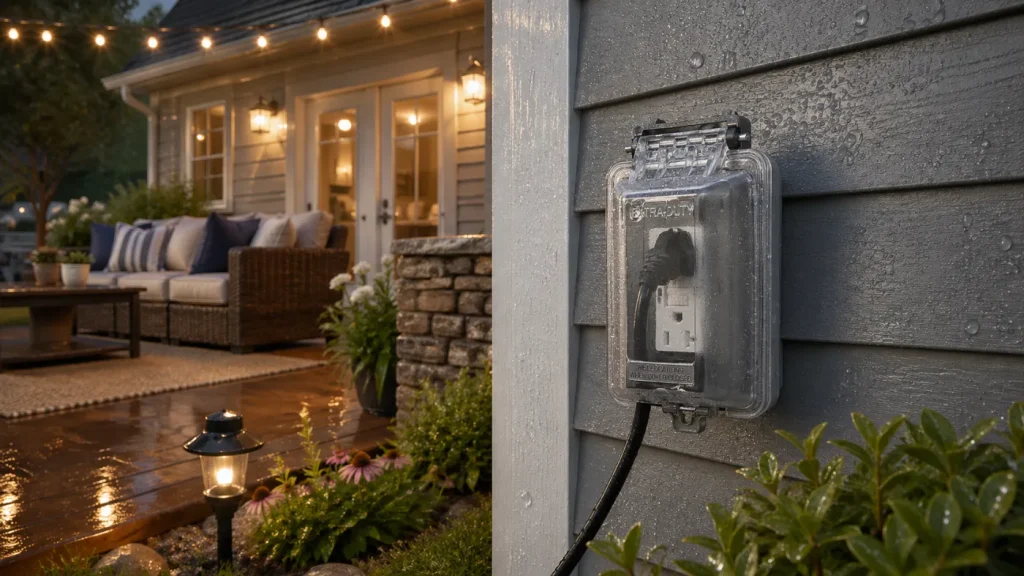
Outdoor GFCI Outlets: Why Weatherproof Protection Matters for NH Homes
Outdoor power is something most homeowners use without thinking much about it. You plug in holiday lights. Run a power washer. Charge yard tools. Power patio speakers. Use landscape lighting. Maybe you have an outdoor kitchen, pool equipment, irrigation controls, or smart devices around the house. But outdoor electricity has to deal with conditions indoor…
Why NH Pollen Is Hitting Your HVAC System Harder This Year
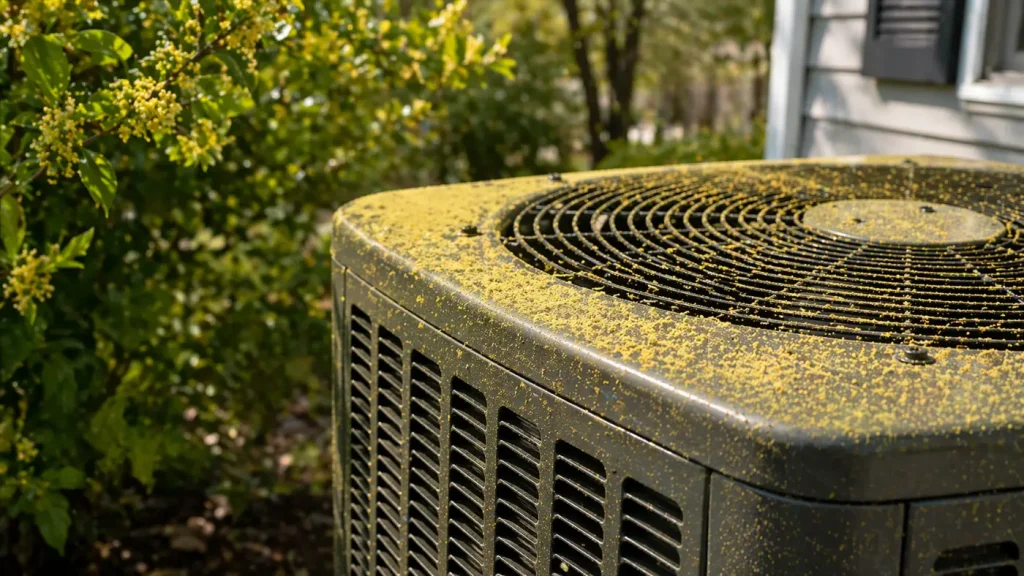
If it feels like pollen season is worse than usual this spring, you’re not imagining it. Across New Hampshire, homeowners are dealing with heavy tree pollen from oak, maple, and ash. Most people think of pollen as an allergy problem. Sneezing, itchy eyes, congestion. But what many homeowners do not realize is that pollen can…
Should You Shut Your Boiler Off for Spring in NH?
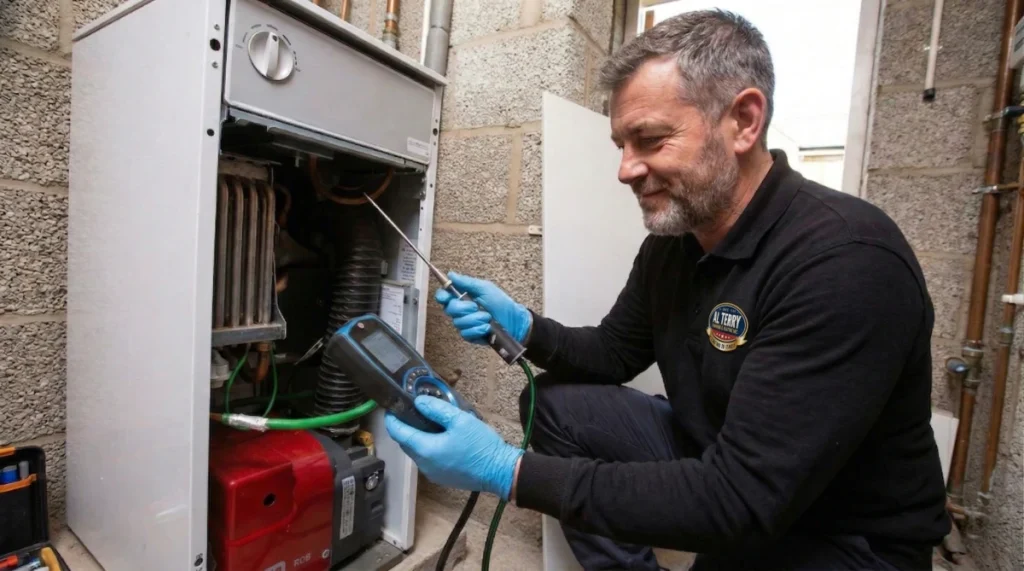
When the weather starts warming up in New Hampshire, a lot of homeowners start asking the same question: Should I shut my boiler off for the season, or leave it running? The honest answer is that it depends on your system. For many homes, mid-to-late April is the right time to stop using the heating…

Tired of High Electric Bills in Southern NH? Start With These Smart Upgrades
If your electric bill in Southern New Hampshire has been climbing, you are not imagining it. Between high regional electricity costs, older homes that leak heated or cooled air, and HVAC systems working harder than they should, many homeowners are paying more every month than necessary. The good news is that lowering your bill does…

Low Water Pressure in Spring? 5 Plumbing Problems NH Homeowners Shouldn’t Ignore
When spring finally shows up in New Hampshire, most homeowners are ready to open windows, clean up the yard, and put winter behind them. But for your plumbing system, spring can be one of the toughest times of year. As frost leaves the ground, snowmelt saturates the soil, municipal crews begin hydrant flushing, and aging…

How Your HVAC and Plumbing Systems Can Help Fight Spring Allergies
Spring is a welcome change in Southern New Hampshire. The snow melts, the windows start to open, and the air finally feels lighter. But for many homeowners, spring also brings sneezing, congestion, itchy eyes, and poor indoor air quality. Most people think of spring allergies as an outdoor problem. In reality, your home’s HVAC and…
Why March Is the Smartest Time to Service Your AC in New Hampshire
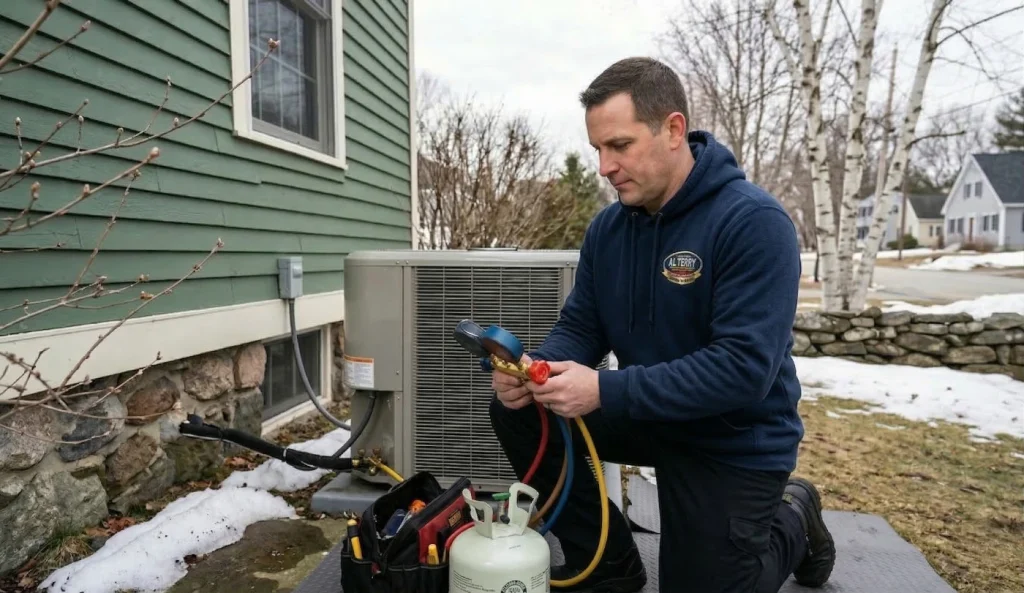
Why March Is the Smartest Time to Service Your AC in New Hampshire Most homeowners in New Hampshire do not think about air conditioning in March. They are still thinking about snowbanks, muddy driveways, and one more spike in the heating bill. But that is exactly why March is such a smart time to look…

Sump Pump Season Prep | Prevent Basement Flooding This Spring
Spring in Southern New Hampshire brings two things homeowners can count on: melting snow and heavy rain. That combination puts serious pressure on your home’s foundation, especially if water collects around the basement and your sump pump is not ready to handle it. Your sump pump is one of the most important lines of defense…
Water Heater Replacement in NH: Lifespan Check & Warning Signs
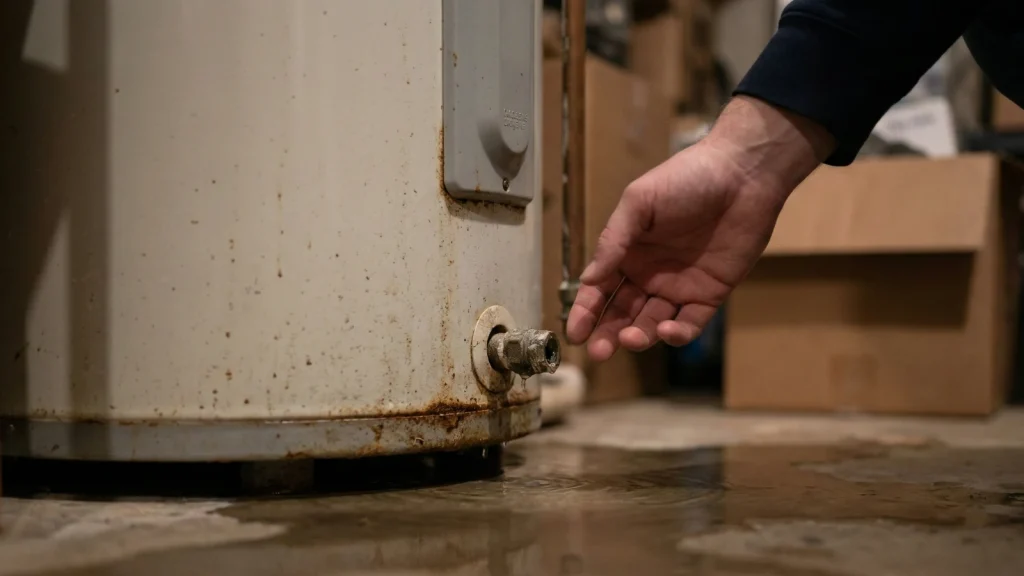
When homeowners think about “home protection,” they usually picture things like smoke detectors, sump pumps, or a backup generator. The water heater rarely makes the list—until it fails. And when a traditional tank-style water heater fails, it often fails big. A rupture can dump 40–80 gallons of water onto your basement floor in minutes, and…

Our Commitment to Your
PEACE OF MIND
5-year warranty on all new installations
AND 2-year warranty on all repairs!